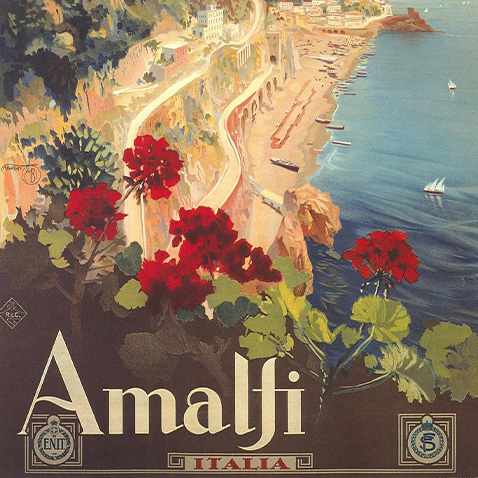
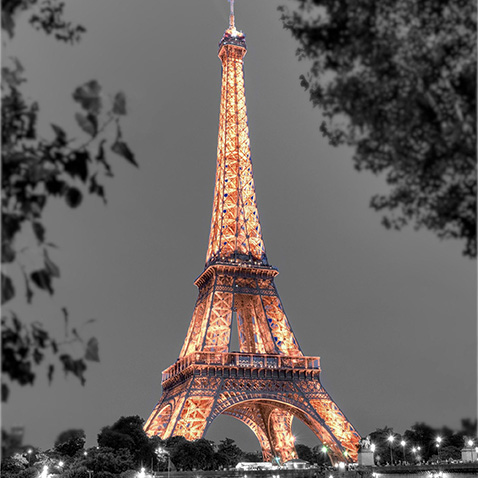
This giclée print offers beautiful color accuracy. Giclée (French for “to spray”) is a printing process where millions of ink droplets are sprayed onto the paper’s surface creating natural color transitions. The high-quality paper (235 gsm) is a great option for framing with its smooth, acid free surface.


This premium giclée print, an upgrade from the standard giclée print, is produced on thick (310 gsm), textured watercolor paper made from alpha cellulous wood pulp that is acid free. It shares the same vivid colors, accuracy, and exceptional resolution that make giclée prints the standard for museums and galleries around the world. Giclée (French for “to spray”) is a printing process where millions of ink droplets are sprayed onto a high-quality paper. The smooth transitions of color gradients make giclée prints appear much more realistic than other prints.
13476458880731013476457d345d72cc1e4990999778b91a3e09c5826GBP12cmWall ColorSelect your Wall ColorDisplaying of Don't see the frame you like?Frame it yourselfFramed Art PrintLamina Framed Art PrintLamina Framed Poster
Frame It
falsediv_lc_sb_pp_01|http://cache1.allpostersimages.com/images/INTL/allposters/co_uk/en/livechat/LiveChatBTN.gif |http://chat.allposters.co.uk/WebChat/Main.aspx?QueueName=WWW.ALLPOSTERS.CO.UK&langiso=en&countryiso=GB |ProductPage |Available Chat Link Clicked |44799 |http://cache1.allpostersimages.com/images/INTL/allposters/co_uk/en/livechat/spacer.gif |img_lc_sb_pp_01
This giclée print offers beautiful color accuracy. Giclée (French for “to spray”) is a printing process where millions of ink droplets are sprayed onto the paper’s surface creating natural color transitions. The high-quality paper (235 gsm) is a great option for framing with its smooth, acid free surface.
About the Artist
Francisco de Goya (1746 – 1828) was a brilliant Spanish artist who expressed his irreverent attitude toward life in his paintings and etchings. Spain’s leading painter by the 1780s, Goya was influenced by Velázquez and Rembrandt as well as by nature. As court painter, he painted numerous portraits of the Spanish royal family. A devastating illness in 1792 left Goya deaf and embittered, but also led to the creation of his nightmarish "Black Paintings." He is also celebrated for his “Los Caprichos,” a series of etchings that is a scathing commentary on his era.